Ashfaq baig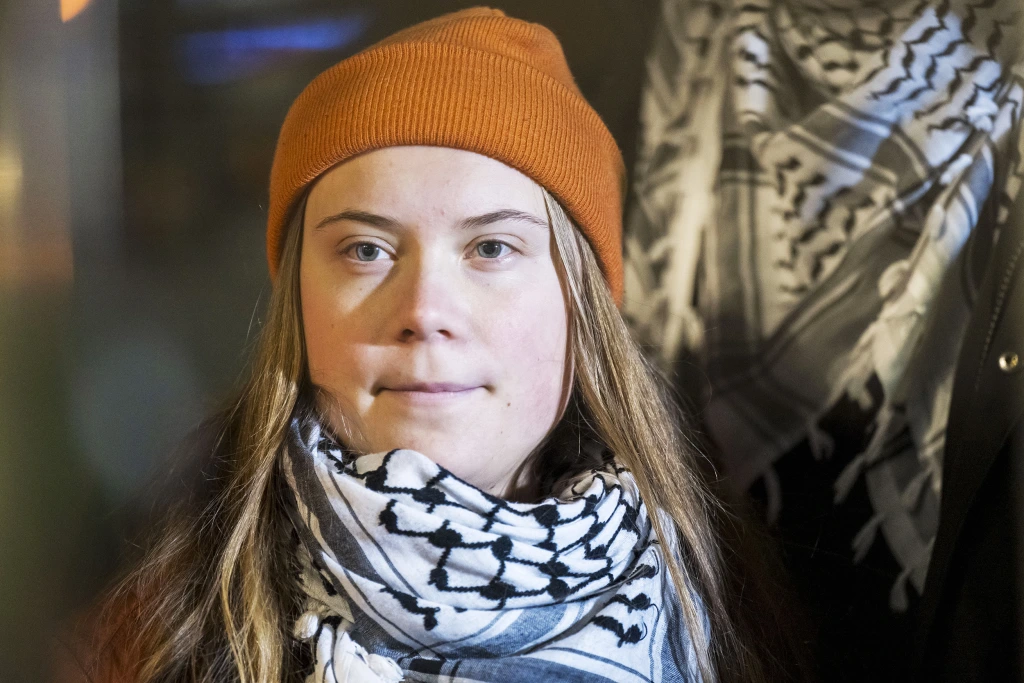
On Tuesday, December 23, 2025, the world woke up to a very shocking story from London. Greta Thunberg, the famous 22-year-old climate activist, has arrested during a pro-Palestinian protest. But the big “wrinkle” in this story is not just the arrest itself. It is the fact that she has held under the UK Terrorism Act.
This has sparked a massive debate about free speech and how far the government should go to stop certain groups. In this article, we will explain exactly what happened and why this case is so important for everyone.
The Scene at Fenchurch Street
The drama began early in the morning outside the offices of Aspen Insurance on Fenchurch Street. Protesters from a group called “Prisoners for Palestine” arrived around 7:00 a.m. to target the building. They claim the insurance company provides services to an Israeli weapons firm.
Some activists sprayed bright red paint over the front of the building to show their anger. Others used hammers to cause damage and then glued themselves to the ground to block the entrance. This created a very tense situation as police arrived to clear the area and make arrests for criminal damage.
Greta’s Sign and the Secret Law
Greta Thunberg arrived at the scene a little while after the initial protest had already started. She sat down on the ground and held up a simple cardboard sign. The sign read: “I support Palestine Action prisoners. I oppose genocide.” While this might look like a regular protest sign, it contains a very specific legal problem in the UK.
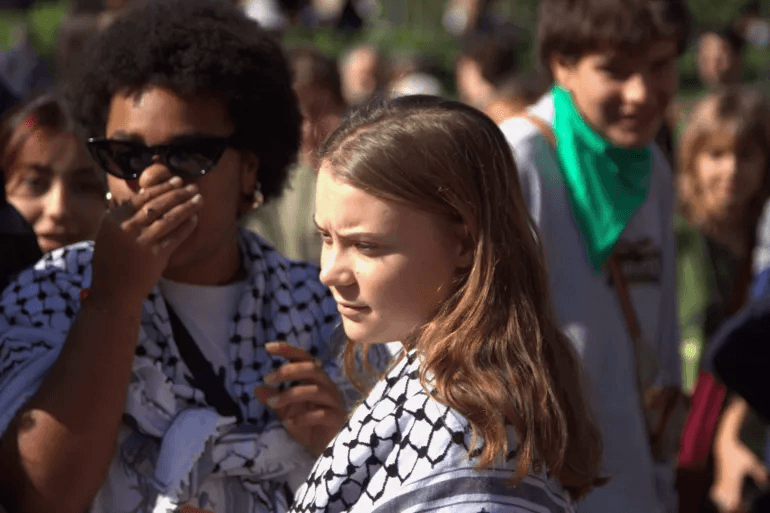
The group “Palestine Action” was banned—or proscribed—by the British government earlier in July 2025. Under Section 13 of the Terrorism Act 2000, it is a crime to display an item that shows support for a banned organization. Because her sign mentioned the “prisoners” of that specific group, the police decided to arrest her.
Why Has Palestine Action Banned?
You might wonder why a protest group would treated like a terrorist organization. The UK government banned Palestine Action after its members caused millions of pounds in damage to military equipment. In one instance, they broke into a base and damaged two Royal Air Force planes.
The government argued that the group’s “violent tactics” went beyond peaceful protest and became a threat to national security. Because of this ban, any public support for the group is now a serious offense. This is why Greta’s choice of words on her placard led to such a heavy-handed arrest by the City of London Police.
The Plight of the Hunger Strikers
The protest was specifically held to support eight activists who are currently on a hunger strike in prison. These prisoners are members of Palestine Action who are awaiting trial for their past actions. Some of them have refused to eat for over 50 days, and their health is now in a very dangerous state.
Greta Thunberg has described these individuals as “political prisoners” who have treated unfairly. She believes the government should meet their demands for bail and better treatment. This humanitarian angle is what drew Greta to the protest, even though she knew the risks were high.
A Night in Custody and Release on Bail
After her arrest, Greta has taken to a nearby police station where she spent several hours in custody. Images shared online showed her being led away by officers while she remained calm and quiet. Late on Tuesday evening, her supporters confirmed that she had released on bail.
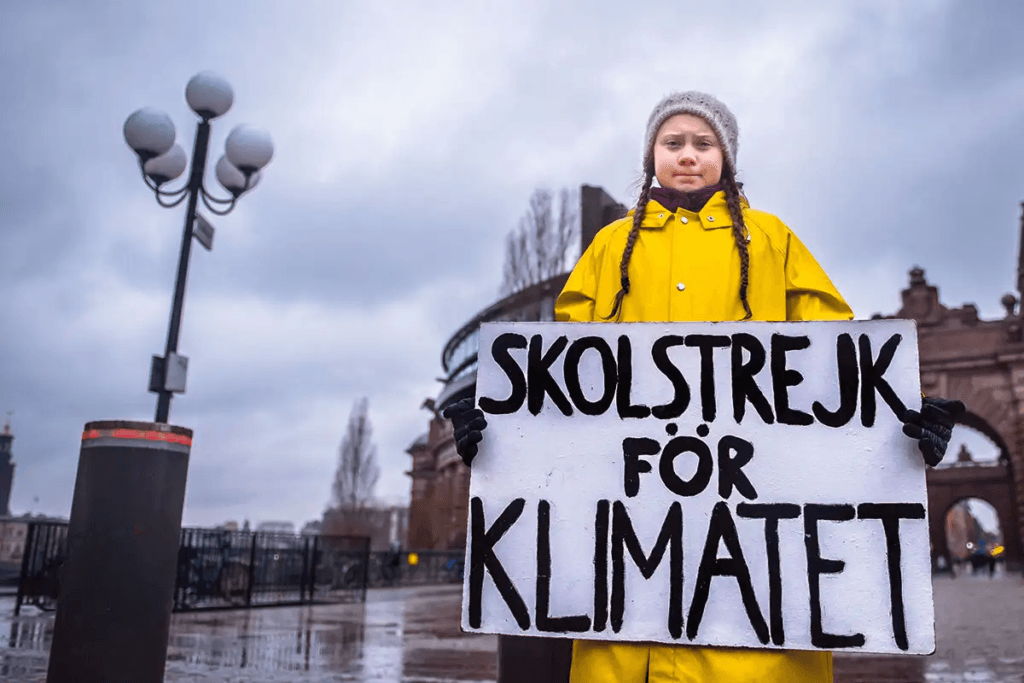
However, she is not completely free yet, as she must return to court in March 2026 to face the charges. This means the legal battle is just beginning for the young activist. Two other protesters who have arrested for the red paint and hammers remain in custody facing more serious charges of criminal damage.
Critics Call the Arrest “Totally Ridiculous”
The use of terrorism laws against a peaceful activist has caused a lot of anger among politicians and human rights groups. One Labour lawmaker called the arrest “totally ridiculous” and a waste of police time. Others have pointed out that Greta was simply holding a sign, not using hammers or paint.
They worry that the government is using these strict laws to “chill” free speech and scare people away from protesting. UN officials have also expressed concern, saying that the UK should protect the right to dissent. For many, this case feels like a “test” of how much freedom people still have in modern Britain.
The Conflict Between Safety and Freedom
This event highlights a giant “wrinkle” in how laws have made and used today. On one hand, the government says it must protect buildings and military equipment from damage. They believe that banning groups that use violence is the only way to keep order.
On the other hand, activists say that these laws have used to silence people who disagree with the government’s foreign policy. If a sign about prisoners could called “terrorism,” where does the law stop? This debate has becoming very intense as more and more protesters have arrested under these new, stricter rules.
Greta’s Growing Focus Beyond Climate Change
For many years, Greta Thunberg has known only for her work on the climate crisis. However, in 2025, she has moved into much more controversial areas of politics. She has arrested several times this year at different pro-Palestinian events across Europe and the Middle East.
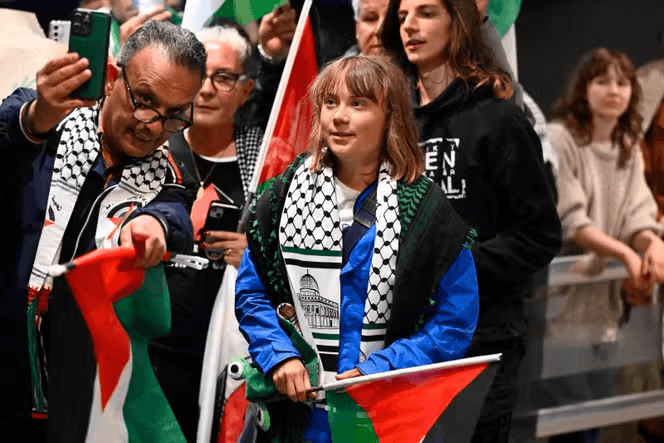
Some of her original climate supporters have worried that this new focus might distract from the fight against global warming. But Greta argues that “there is no climate justice on occupied land.” She believes that all these issues have connected and that she must speak up for humanity wherever she sees suffering.
What Happens Next in March 2026?
As we look toward the new year, all eyes will be on the London courtroom in March. If Greta has found guilty of supporting a proscribed organization, she could face a fine or even time in prison. This would be a major moment, as she is one of the most famous activists in the world.
Her lawyers will likely argue that she was exercising her right to free expression and did not mean to support “terrorism.” The result of this case will set a very important precedent for all future protests in the UK. It would determine if the ” Terrorism Act” can truly be used to ban simple placards.
A Brave Voice or a Legal Line Crossed? Greta Thunberg
In conclusion, Greta Thunberg’s arrest in London is a story that brings up very hard questions about our society. Was she a brave person standing up for human rights, or did she break a necessary law to protect the public? By using the Terrorism Act to arrest her, the UK government has started a conversation that will last for a long time.
As the hunger strike in prison continues and the court date approaches, the tension is only going to grow. We should all watch this case closely, as it tells us a lot about the balance between security and our right to speak our minds.
Read More Articles Click Here. Read Previous Articles Click Here.
About The Author