Ashfaq baig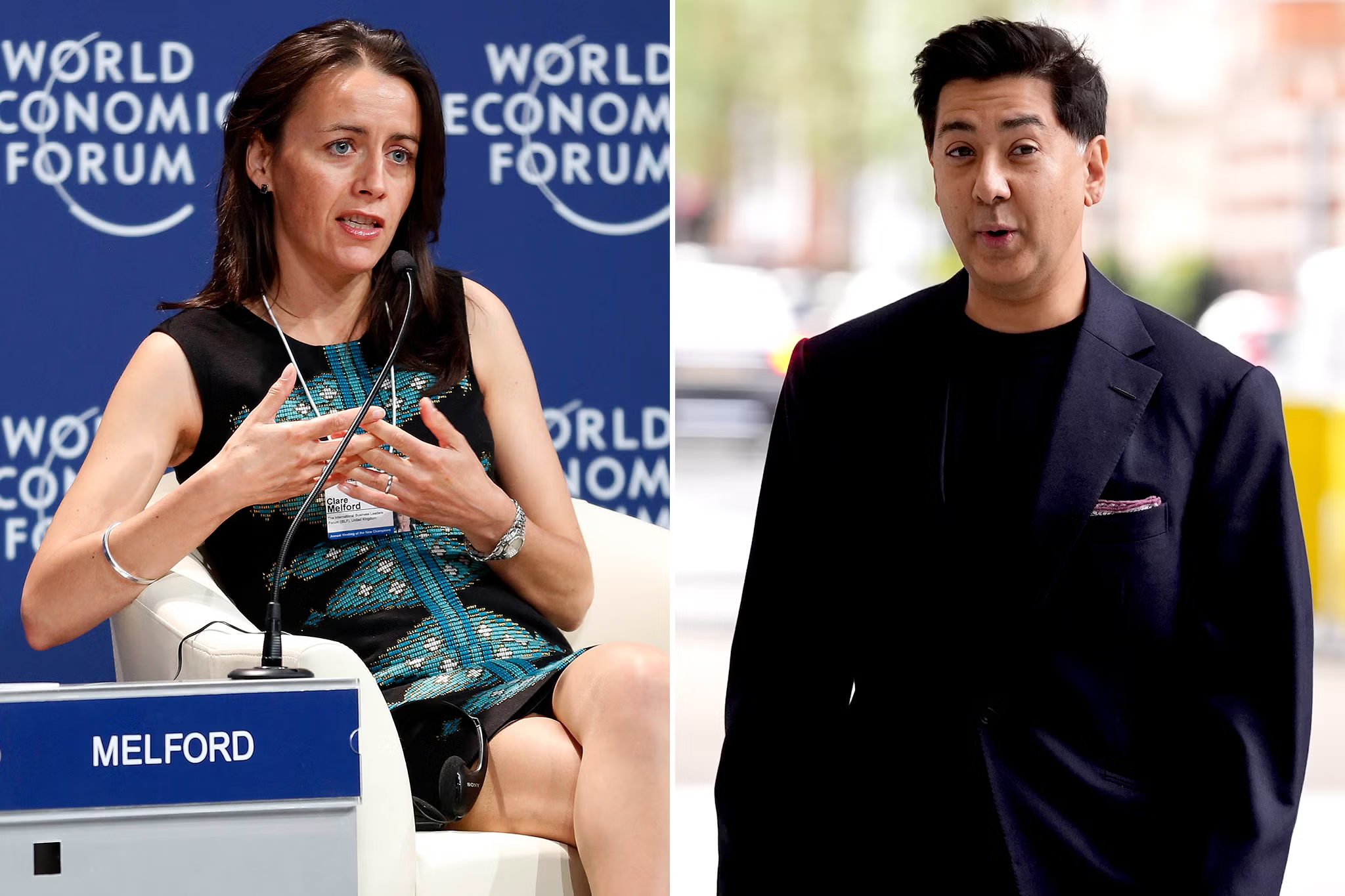
A Dramatic Shift in US Visa Policy
The diplomatic relationship between the United States and Europe has hit a rocky patch this week. On Tuesday, December 23, 2025, the U.S. State Department announced a bold and controversial decision. They have officially denied visas to five prominent European figures involved in digital regulation. Among those blocked are two well-known social media campaigners from the United Kingdom. US Visa
This move is part of a wider crackdown by the Trump administration against foreign “censorship.” Washington claims these individuals have worked to suppress American viewpoints on big tech platforms. This decision has sparked a fierce debate about free speech, national sovereignty, and the power of the internet.
Who Are the Campaigners Involved?
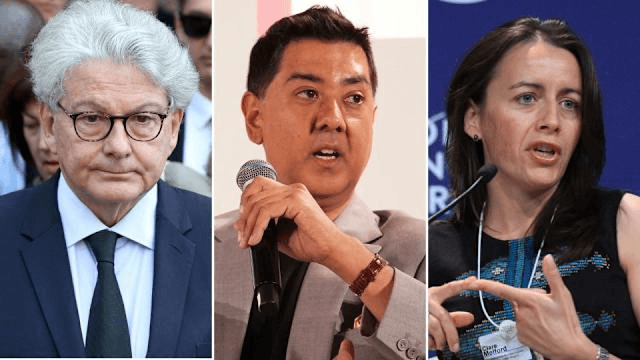
The two British figures at the center of this storm are Imran Ahmed and Clare Melford. Imran Ahmed is the chief executive of the Center for Countering Digital Hate (CCDH). His group is famous for tracking online misinformation and hate speech. Clare Melford is the co-founder of the Global Disinformation Index (GDI).
Her organization helps advertisers avoid spending money on websites that spread fake news. Both have been very active in pushing for stricter rules on social media companies like X and Facebook. However, the U.S. government now views their work as a threat to the First Amendment.
Accusations of “Weaponized Censorship”
U.S. Secretary of State Marco Rubio did not hold back in his explanation for the ban. He labeled the group as “radical activists” who run “weaponized NGOs.” According to Rubio, these campaigners have led organized efforts to coerce American platforms. He believes they want to silence and demonetize viewpoints that they personally oppose.
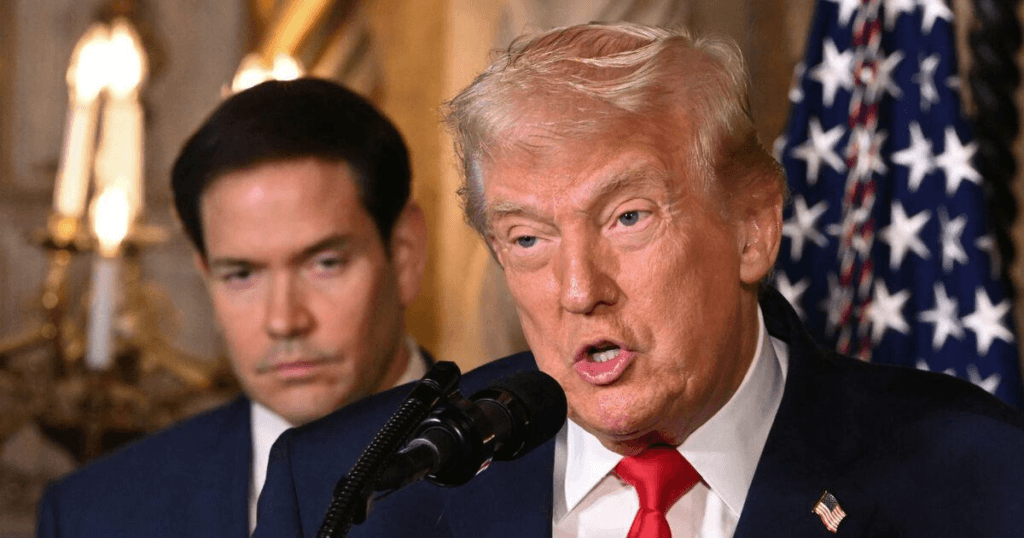
By denying them visas, the U.S. is sending a message that it will not tolerate “extraterritorial censorship.” This means they do not want foreign groups influencing what Americans can say online. It is a very aggressive stance that treats digital safety campaigners as political enemies.
The Inclusion of Thierry Breton
The visa ban also targeted one of Europe’s most powerful former officials, Thierry Breton. He was the European Commissioner for Internal Market and a key architect of the Digital Services Act (DSA). The U.S. State Department described him as the “mastermind” behind Europe’s content moderation rules.
Breton has often clashed with tech leaders like Elon Musk over what is allowed on social media. His inclusion on the list shows that this is not just about small non-profits. It is a direct attack on the laws that govern the internet across the European Union. Breton himself called the move a “witch hunt” that reminds him of the McCarthy era.
Germany’s “HateAid” Also Targeted
In addition to the UK and EU figures, two leaders from a German group called HateAid were banned. Anna-Lena von Hodenberg and Josephine Ballon were also denied entry to the United States. HateAid is an organization that provides legal support to people who are victims of online hate.
The U.S. argues that groups like HateAid act as “trusted flaggers” to help enforce censorship. This expansion of the ban shows that the U.S. is looking at many different types of digital advocacy. It suggests that any group helping to moderate content could be at risk of similar sanctions.
The UK Government’s Careful Response
Back in London, the UK government has tried to find a balance in its response. A spokesperson said that Britain remains “fully committed” to the right to free speech. However, they also noted that every country has the sovereign right to set its own visa rules.
The UK government continues to support its own Online Safety Act, which requires platforms to remove harmful content. This creates a strange situation where the UK supports the laws these campaigners help enforce, but also respects the U.S. ban. It highlights the difficult position the UK is in when caught between its two closest allies.
Impact on Global Tech Regulation
This visa row is about much more than just travel documents. It is a battle over who gets to control the rules of the internet. For years, Europe has led the way in making social media companies responsible for what users post. They argue this is necessary to stop things like child abuse and election interference.
However, the current U.S. administration sees this as a “European overreach” that hurts American businesses. If digital safety experts cannot travel to the U.S., it becomes harder to have a global conversation. This could lead to a “splinternet” where different parts of the world have completely different rules.
Retaliation from European Leaders
European leaders have reacted with anger and disbelief to the news. French President Emmanuel Macron condemned the move as an act of “intimidation and coercion.” He argued that European laws are democratically chosen and should be respected. The European Commission has already requested “clarifications” from Washington about the legal basis for the ban.
Some officials have even hinted that Europe might respond with its own “swift and decisive” measures. This could mean similar travel bans for U.S. tech executives or even new fines. The situation is quickly escalating into a full-scale digital trade war.

Freedom of Speech vs. Online Harm US Visa
At the heart of this conflict is a deep disagreement over what “free speech” actually means. In the United States, the First Amendment provides very broad protections for almost all types of speech. In Europe and the UK, the focus is often on protecting people from “harmful” content. Campaigners like Imran Ahmed believe that hate speech and lies can lead to real-world violence. US Visa
They argue that they are simply trying to make the internet a safer place for everyone. But to the Trump administration, these efforts look like an attempt to control the political narrative. There is very little common ground between these two viewpoints. US Visa
A Precedent for the Future US Visa
In conclusion, the decision to deny visas to these UK campaigners marks a historic moment in international relations. It is the first time that digital regulation has led to direct personal sanctions on activists. This move shows that the U.S. is willing to use its borders as a tool to protect its version of free speech. US Visa
While the five individuals are now barred from the U.S., the debate they started is only getting louder. As we move into 2026, the fight over internet rules will likely become even more intense. The world is watching to see if this “visa war” will lead to a more open internet or a more divided one. US Visa
Read More Articles Click Here. Read Previous Articles Click Here.
About The Author