Ashfaq baig
Have you seen the latest headlines about Australia’s new safety rules? (Australia) In the wake of the tragic mass shooting at Bondi Beach on December 14, 2025, the government is moving faster than ever. This heartless attack, which targeted a Jewish Hanukkah festival and killed 15 people, has shocked the entire nation. In response, Prime Minister Anthony Albanese and several state leaders have agreed to “fast-track” a series of new laws.
These changes focus on tightening gun control and placing new limits on public protests. While many people support these “immediate actions” to keep citizens safe, a wave of criticism is also growing. Some argue that these rules are a “knee-jerk” reaction that could hurt our democratic freedoms. In this article, we will explore the details of these new laws and why they are causing such a big debate.
The Return of Tough Gun Reform
For many Australians, this moment feels like a return to the historic changes made after the Port Arthur tragedy in 1996. The government is now launching the biggest overhaul of national gun laws in nearly 30 years. State leaders, led by NSW Premier Chris Minns, are rushing to pass a slew of new rules to close “blind spots” in the system.
The main goal is to limit the number of firearms any one person can own and to make sure only Australian citizens can hold a license. These “decisive” steps have meant to reduce the risk of high-risk weapons falling into the wrong hands. It is a massive effort to update the National Firearms Agreement for today’s changing security world.
Accelerating the National Firearms Register
One of the most important parts of the new plan is the National Firearms Register. This is a digital database that would let police across the country see who owns which guns in “near real-time.” Although this register has agreed upon a few years ago, it hasn’t scheduled to be fully ready until 2028. Now, the National Cabinet has agreed to “accelerate” this work so it could used much sooner.
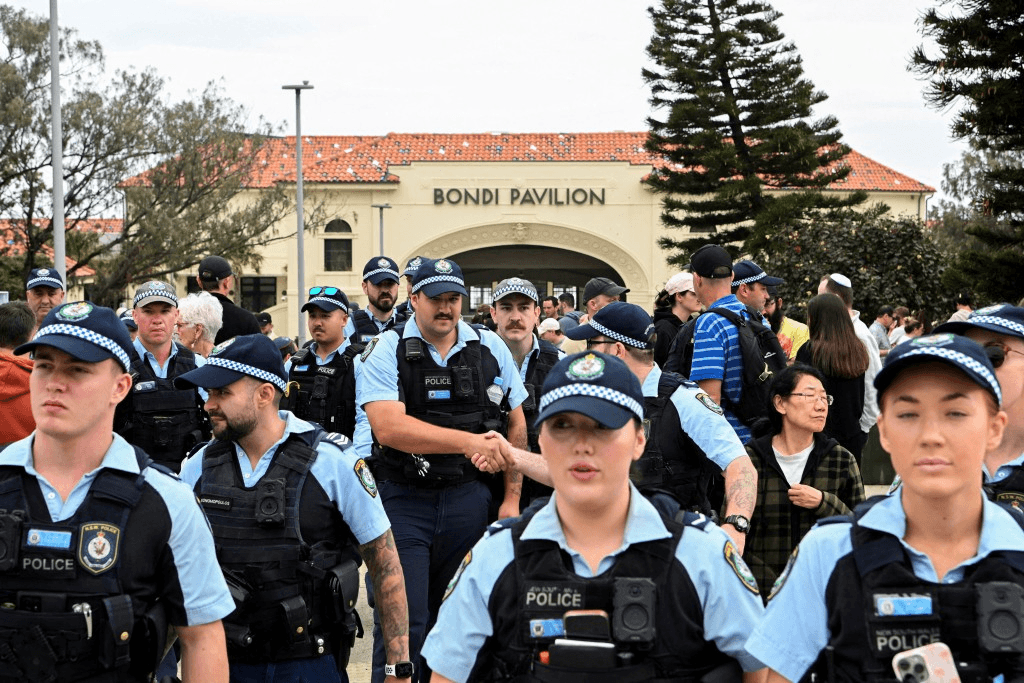
Leaders say that having “paper records” in some states makes it impossible to track guns across borders efficiently. By moving to a digital system, the government hopes to create a “united front” against illegal gun movements. It is a high-tech solution to an old and dangerous problem.
New Limits on Gun Ownership and Licenses
Under the proposed laws, the “privilege” of owning a gun will come with many more strings attached. In New South Wales, the government wants to reduce the length of a gun license from five years down to just two years. This would mean more frequent safety and suitability checks for every owner.
There are also plans to reclassify certain types of “pump-action” guns so they are much harder for the general public to get. Additionally, magazine capacities could limited to just five or ten rounds. These “tightening” measures aim to put community safety above all else, ensuring that no one can easily build a “private arsenal” at home.
A Crackdown on 3D-Printed Weapons
A modern “wrinkle” in gun control is the rise of 3D-printed firearms. These “ghost guns” have made using digital blueprints and can be very hard for traditional security to find. The new federal laws will introduce strict “customs restrictions” on the import of 3D printing equipment and software used for making weapons.
While some states already have rules about this, the government wants a “consistent nationwide approach.” They want to make sure it is illegal to even possess the blueprints for these “novel technology” weapons. This is a proactive step to stop a new type of threat before it becomes a major problem for our police.
The Controversial New Protest Laws
While the gun laws have broad support, the new “anti-protest” rules are causing much more “fret” among the public. Premier Chris Minns has proposed giving the police commissioner the power to “effectively ban” protests in certain areas after a terrorist incident. Under these rules, if a “terrorist declaration” has made, no public assembly could authorized for that area for up to three months.
This also includes lower thresholds for police to demand that people remove “face coverings” during a rally. The government argues that these powers are “proportionate” to ensure a “summer of calm” and prevent “community disharmony.” They believe that massive protests right now would only “rip apart” a community that is still trying to heal.
Activists and Civil Liberty Groups Fight Back
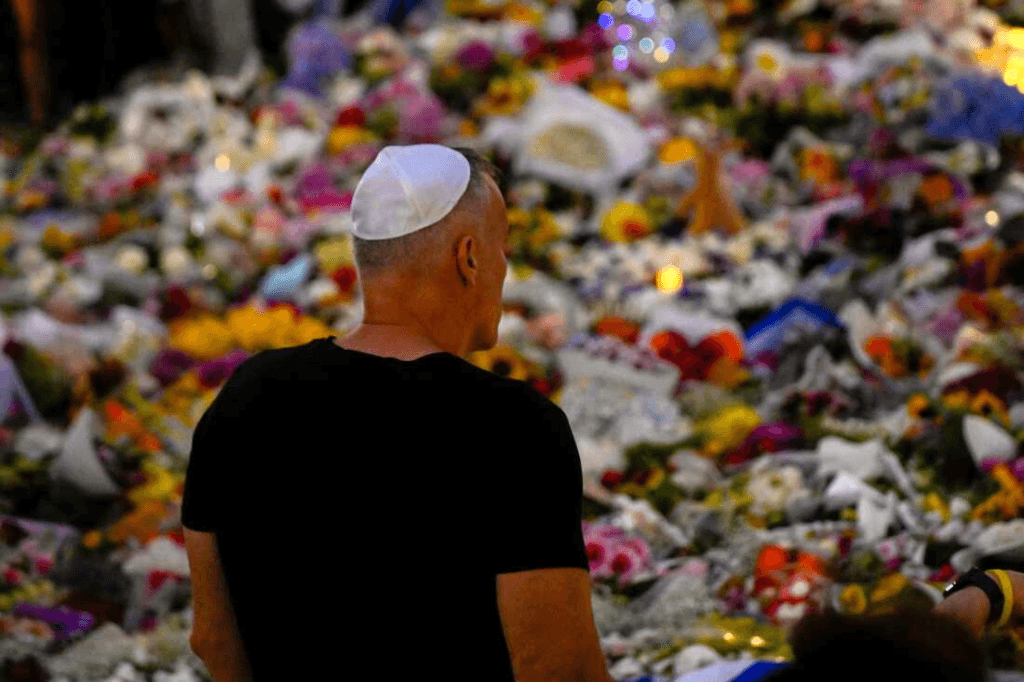
Many activists and human rights groups have been quick to “slam” these proposed protest bans. The NSW Council for Civil Liberties and the Australian Democracy Network have called the laws “draconian” and “unnecessary.” They argue that the right to peaceful protest is a “fundamental democratic right” that should not be taken away, even in a crisis.
Critics fear that these laws will be “weaponized” to silence certain groups, especially the pro-Palestine movement. They believe that “culture wars” are being used as a distraction from the real issues. For these groups, a “summer of calm” should not come at the cost of our “democratic freedoms.”
The Debate Over “Knee-Jerk” Legislation
One of the biggest criticisms is that these laws are being “fast-tracked” in an atmosphere of panic and grief. Legal experts warn that “knee-jerk” reactions often lead to bad laws that have “unintended consequences.” They argue that the parliament should not be “recalled” for urgent votes without a full and proper debate.
Some members of the Greens party have said that the government is using the Bondi tragedy as an “opportunistic” way to expand police powers. They want to see a “multi-factorial” approach to safety that focuses on education and deradicalization, rather than just “tougher” laws. This “tug-of-war” between speed and scrutiny is at the heart of the current political fight.
Opposition Calls for More “Leadership”
On the other side of the fence, some political leaders say the government is actually not doing enough. Opposition leader Sussan Ley has criticized the Prime Minister for a “clear failure” to keep the community safe from rising antisemitism. She argues that the focus on gun reform is a “massive deflection” from the real problem of “hate preachers” and extremism.
Some members of the Coalition are asking why the perpetrators were allowed to have guns in the first place if they were already known to authorities. This “political math” is making the debate even more complex as everyone tries to find someone to blame for the tragic “bust” in security.
A “Whole Society Approach” to Safety
Despite the loud arguments, many people agree that safety cannot be solved by laws alone. Home Affairs Minister Tony Burke has called for a “whole society approach” to stop the “scourge of hate.” This includes new federal crimes for “aggravated hate speech” and more powers to “cancel visas” for people who spread division.
The government is also setting up a 12-month task force to look at how young people are being radicalized online. The goal is to “shift the threshold” so that we can stop violence before it even begins. It is a long-term plan that goes far beyond the “quick fix” of a new gun law or a protest ban. Australia
Balancing Liberty and Protection Australia
In conclusion, Australia is at a crossroads as it tries to navigate the fallout from the Bondi Beach shooting. The fast-tracking of new gun and protest laws shows a government that is “determined” to prevent another tragedy. From the national firearms register to the “crackdown” on public rallies, the changes are massive and historic. Australia
However, the “criticism” from civil liberty groups reminds us that our freedoms are precious and fragile. As the state and federal parliaments vote on these rules in 2026, the nation must decide: how much liberty are we willing to trade for protection? Finding that balance will be the “ultimate test” for our democracy in the years to come. Australia
Read More Articles Click Here. Read Previous Articles Click Here.
About The Author