Ashfaq baig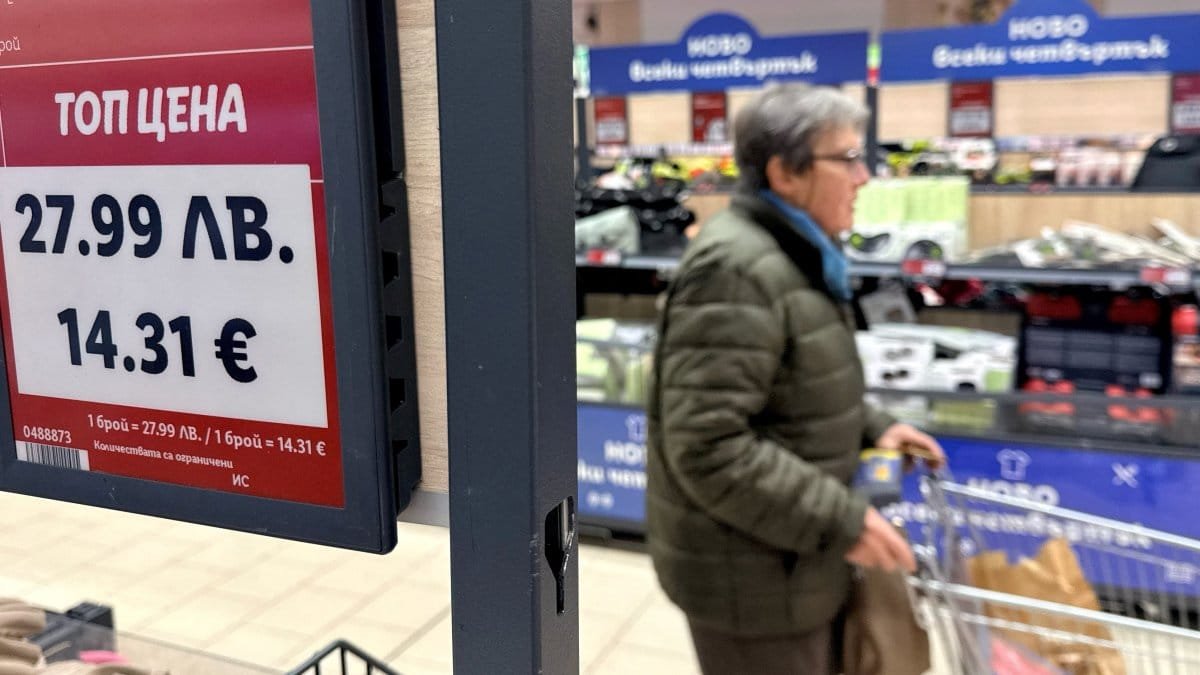
A New Currency for the New Year
The country of Bulgaria is reaching a massive milestone in its history. On January 1, 2026, Bulgaria will officially become the 21st member of the Eurozone. This means the nation is waving goodbye to its old currency, the Lev. Starting on New Year’s Day, people will use the Euro for their daily shopping. Bulgaria’s Euro
While many leaders have cheering for this change, not everyone in the country is happy. This switch has a huge project that has in the works for many years. It marks a big step toward being fully joined with Western Europe. However, the path to the Euro has filled with loud debates and strong feelings.
Why the Lev is Special
The Bulgarian Lev is more than just paper and coins to many people. It has been the national currency since the late 19th century. For many, it is a symbol of national pride and history. Over the years, the Lev has helped the country stay independent in its own way.
However, since 1997, the Lev has been “pegged” to the German Mark and then the Euro. This means its value has already tied to the Euro’s value. Even so, letting go of a national symbol is hard for many citizens. They feel that losing the Lev is like losing a part of their identity.
The Fear of Rising Prices
The biggest worry for most Bulgarians is inflation. Many people fear that shops will use the change to raise prices. They worry that a coffee costing 2 Levs might suddenly cost 1.50 Euros. While the official rate is 1 Euro = 1.95583 Lev, rounding up is a big concern.
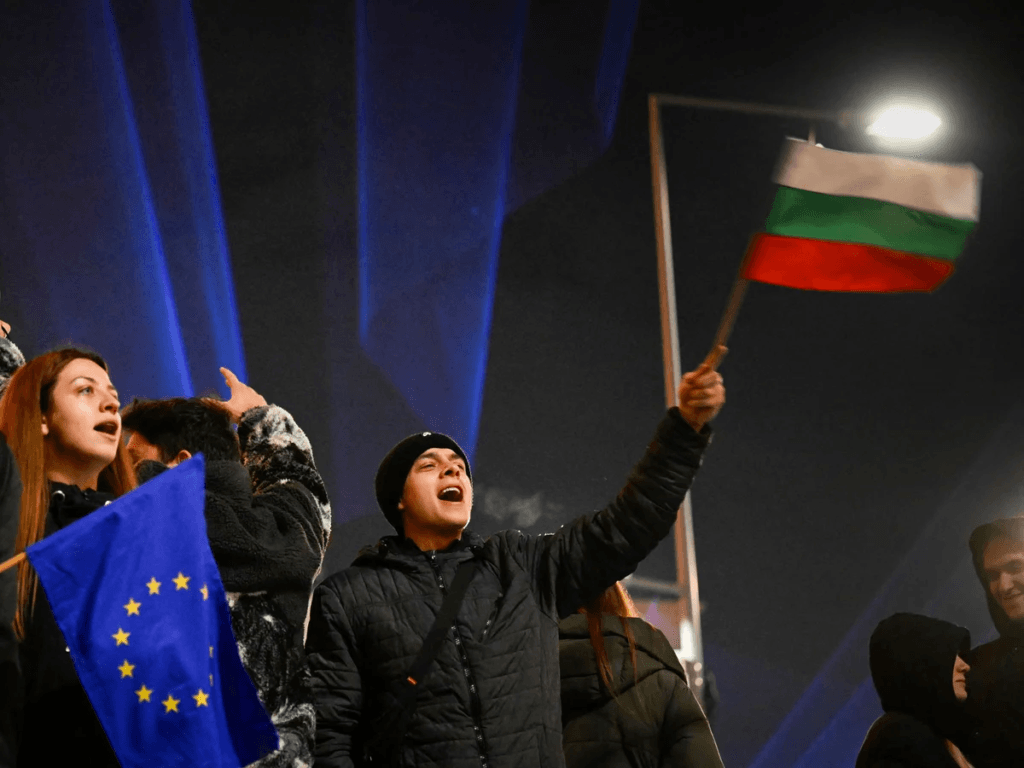
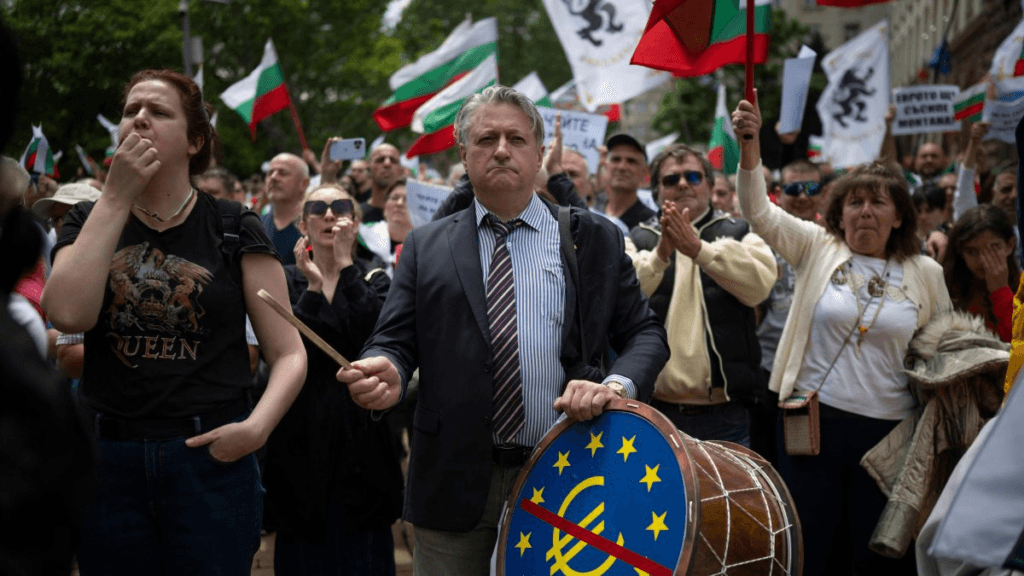
Some shop owners have already accused of hiking prices before the official switch. This has especially scary for those on a fixed budget, like retirees. They worry their pensions will not buy as much food as before. This “price fear” has the main reason why many people are protesting the change.
How the Government is Helping
To stop unfair price hikes, the government has started dual pricing. Since August 2025, every shop must show prices in both Levs and Euros. This helps people get used to the new numbers before the Lev disappears. Furthermore, there are special “watchdog” groups checking the shops.
If a store raises prices without a good reason, they can be fined. The government wants to make sure the “fair conversion” rules have followed by everyone. They hope these steps will calm the fears of the public. This period of double prices will last for an entire year to help everyone adjust.
A Boost for the Economy
Supporters of the Euro say the move will bring a lot of new money to the country. By joining the Eurozone, Bulgaria becomes more attractive to big investors from around the world. It makes trade with countries like Germany and France much easier and cheaper. There are no more fees to swap money when buying goods from abroad.
Experts believe this could save small businesses up to 500 million Euros every year. This extra cash could used to grow businesses and create more jobs. For a country that wants to grow fast, this is a very big benefit.
The Fight Against Disinformation
A lot of the controversy has fueled by false news on social media. Some groups are spreading scary stories to make people panic. One popular lie is that the government will “confiscate” bank accounts during the switch. Another myth is that Bulgaria will lose its voice in how its own money is managed.
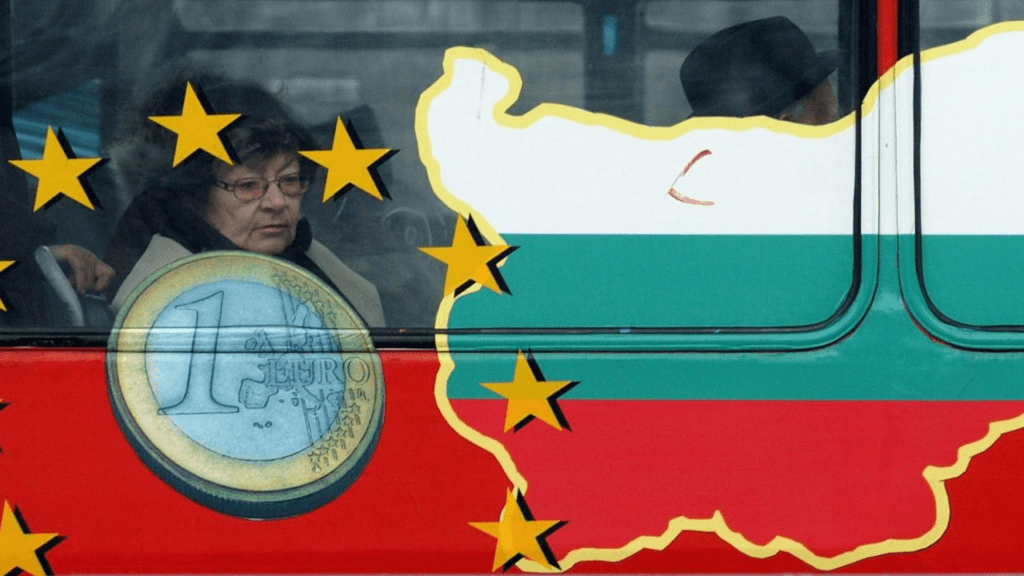
In reality, Bulgaria will now have a seat at the table with the European Central Bank. They will finally have a vote on the rules that already affect their money. The government is working hard to fight these myths with facts and clear info. They want to show that the Euro is a “shield” and not a threat.
Political Drama and Instability
The switch to the Euro is happening during a time of political chaos. Bulgaria has had many elections in the last few years. This makes it hard for the government to stay focused on the big change. Some political parties are using the Euro debate to win more votes. They call the move “Euro-colonialism” to get people angry.
This political fighting has made the public even more nervous about the future. Many people wonder if a stable government will be there to manage the new currency. Without a strong team in charge, the transition could be much more difficult.
Learning from Others: The Croatia Example
Bulgaria is looking closely at countries that joined before them, like Croatia. In 2023, Croatia switched to the Euro and saw mixed results. While trade and tourism went up, some prices did rise for a short time. The European Central Bank says the rise is usually very small, about 0.2% to 0.4%.
Bulgaria is trying to use the “best tricks” from Croatia to avoid mistakes. They are training bank staff and making sure there are enough Euro coins for everyone. By learning from others, they hope to make the first month of 2026 go smoothly.
The Role of Tourism and Trade
One sector that is very excited about the Euro is tourism. Millions of people visit Bulgaria’s sunny beaches and snowy mountains every year. Most of these visitors come from countries that already use the Euro. For them, not having to change money makes the trip much easier.
This is expected to bring even more tourists and more money to the Black Sea coast. Additionally, it helps Bulgarian companies sell their products across Europe. It removes a “barrier” that has existed for decades. This growth is a major goal for the leaders in Sofia. Bulgaria’s Euro
A Brave Step into 2026 Bulgaria’s Euro
In conclusion, Bulgaria’s move to the Euro is a brave but complex step. It brings the hope of more jobs, better trade, and a stronger voice in Europe. However, the fears of higher prices and lost identity are very real for many citizens. The government must work hard to prove that the Euro is a good deal for everyone. Bulgaria’s Euro
As the clock strikes midnight on New Year’s Eve, the Lev will begin to fade away. It is the start of a new chapter that will define the country’s future. Only time will tell if the Euro brings the prosperity that has been promised. Bulgaria’s Euro
Read More Articles Click Here. Read Latest News Articles Here.
About The Author