Ashfaq baig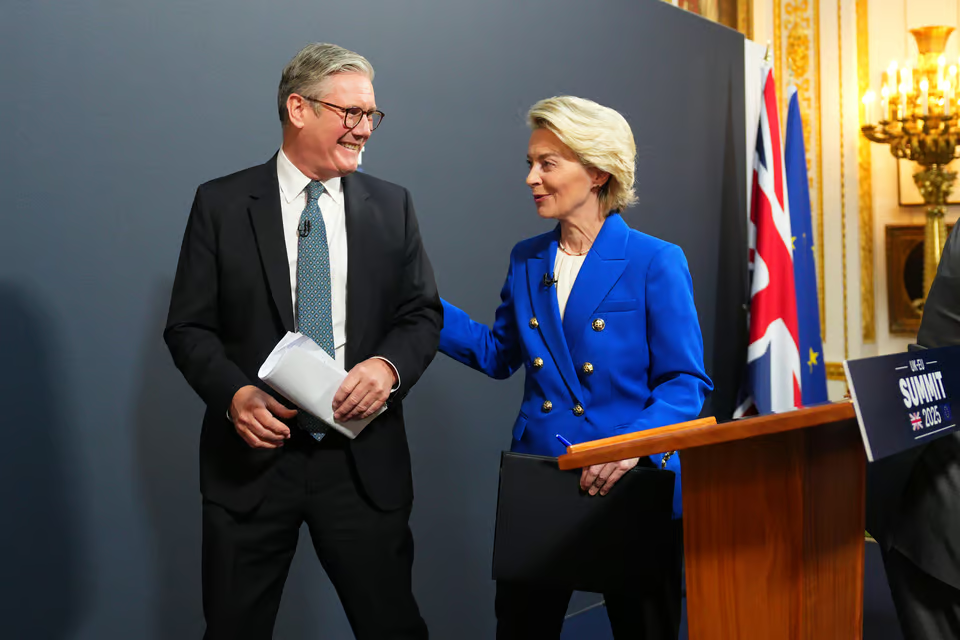
A Major U-Turn on Brexit
A massive change is coming for students in the United Kingdom (Erasmus). After years of isolation, the British government has made a historic decision. Britain will officially rejoin the European Union’s famous Erasmus+ student exchange program. This announcement marks a significant “reversal” of previous Brexit policies. When the UK left the EU, it also left Erasmus. At the time, politicians said it was too expensive. However, Prime Minister Keir Starmer has decided to fix this broken relationship.
Consequently, starting in 2027, British students can once again study across Europe easily. This move is part of a larger plan to “reset” ties with Brussels. For many young people, this is the best news they have heard in years.
The Deal: 2027 and the £570 Million Ticket
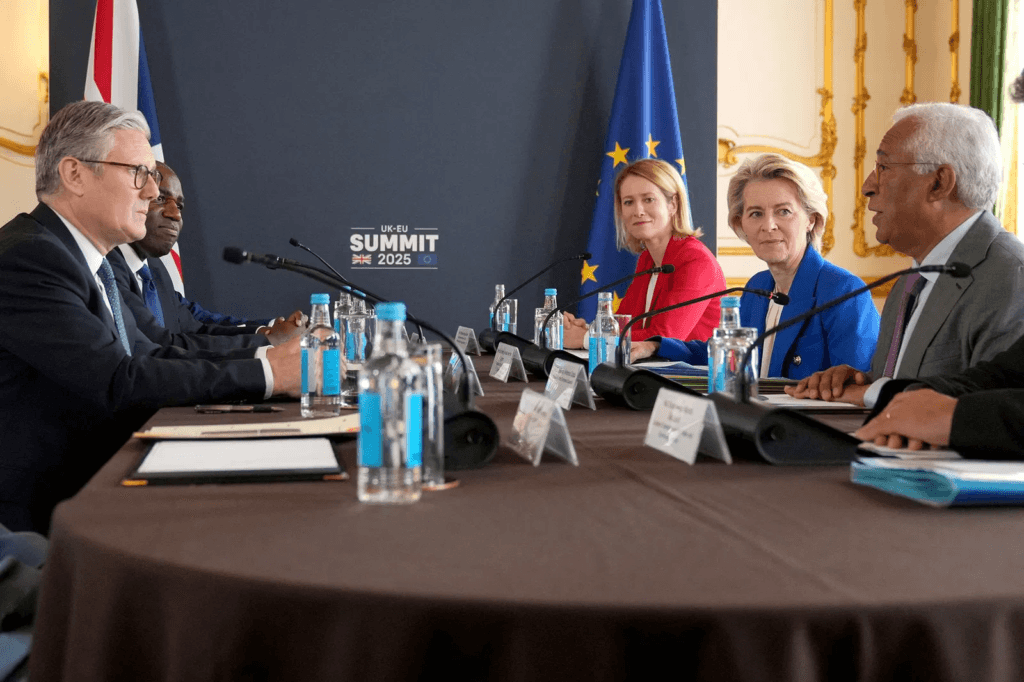
The new agreement is not free. In fact, it comes with a hefty price tag. The UK has agreed to pay approximately £570 million (€648 million) to join the scheme for the 2027-2028 academic year. Negotiators worked hard to get a fair price. Originally, the cost was a major sticking point. However, reports suggest that Britain secured a discount of around 30% for this first year.

This payment allows the UK to participate fully as an “associated country.” Therefore, British institutions will have the same rights as those in countries like Norway or Iceland. The deal covers not just university students, but also apprentices and teachers. It opens the door for over 100,000 participants in the first year alone.
Why Now? The Failure of the “Turing” Alternative
You might be wondering why this is happening now. The answer lies in the failure of the replacement system. When Britain left Erasmus in 2020, the Conservative government created the “Turing Scheme.” They promised it would be better and more global. Unfortunately, it faced many problems. Critics argued that Turing did not provide enough money for living costs.
Furthermore, it did not cover tuition fees. This made it very hard for poorer students to travel. Also, Turing was a “one-way” street. It sent British students out, but it did not fund European students coming to the UK. As a result, the cultural exchange was lost. The return to Erasmus admits that the substitute was simply not good enough.
What This Means for Students: Free Tuition is Back
For students, the benefits of Erasmus are huge. The most important perk is the money. Under Erasmus, you do not pay tuition fees to the university you visit. For example, if you go to a university in France or Spain for a year, you pay nothing to them. Additionally, you receive a monthly grant from the EU. This money helps pay for rent, food, and travel.
This financial safety net makes studying abroad possible for everyone, not just the rich. Moreover, the credits you earn abroad count towards your degree back home. Therefore, you do not lose any time. It creates a seamless, stress-free experience for young learners.
Turing vs. Erasmus: The Key Differences
It is important to understand the difference between the old and new schemes. The Turing scheme was global, meaning you could go to America or Australia. However, the funding was often unpredictable. Schools had to apply for money every single year. This created uncertainty. In contrast, Erasmus provides guaranteed, long-term funding.
It is focused mainly on Europe, which is closer and cheaper for travel. Most importantly, Erasmus is reciprocal. This means while you go to Berlin, a German student comes to London. This two-way flow creates diverse, international campuses. By switching back, the UK is choosing stability and community over a complicated global experiment.
Reaction from Universities: A Collective Sigh of Relief
The reaction from the education sector has been overwhelmingly positive. University leaders have been asking for this for years. They argued that leaving Erasmus hurt their reputation. Without European students, UK campuses felt quieter and less diverse. Now, Vice-Chancellors are celebrating. They believe this will boost the quality of education in Britain.
They also hope it will bring back valuable research partnerships. When students move, ideas move with them. Therefore, rejoining Erasmus is seen as a victory for science and innovation too. The phrase “breaking down barriers” is being used by many happy professors today.
The Political Battle: Brexiteers are Angry
However, not everyone is happy. Some politicians are furious about this U-turn. Hard-line Brexit supporters see this as a betrayal. They argue that the UK is giving control back to Brussels. They dislike sending millions of pounds to the EU budget. Former Prime Minister Boris Johnson famously said Erasmus offered “poor value for money.” His supporters still believe that.
They worry that this is the first step to rejoining the EU completely. They fear that next, the UK will join the customs union or the single market. Consequently, Keir Starmer faces a tough fight at home. He must prove that this expense is worth it for the British people.
The “Youth Mobility” Confusion
There is also some confusion about another deal. Rejoining Erasmus is not the same as “free movement.” It does not mean you can move to Paris to work forever. It is strictly for education and training. However, there is a separate negotiation happening. The EU wants a “Youth Mobility Scheme.” This would allow young people (aged 18-30) to live and work in the UK for up to two years.
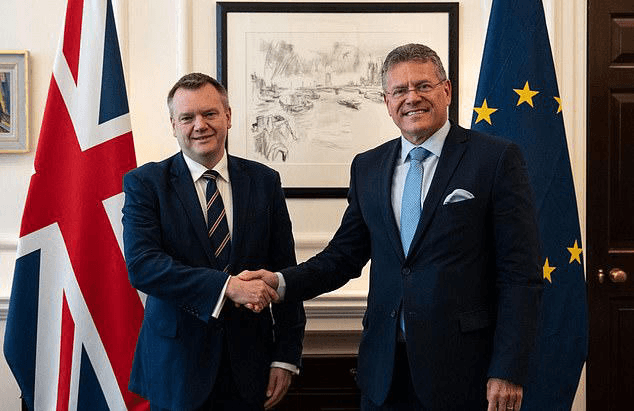
The UK government has been very careful about this. They have rejected the idea of returning to full free movement. But, talks are ongoing. Rejoining Erasmus might be a way to make the EU happy without opening the borders completely. It is a delicate balancing act.
The Economic Impact: Visitors Bring Cash
Beyond education, there is an economic argument. International students bring a lot of money to the UK. When European students come here, they pay for rent, food, and entertainment. They travel on trains and visit museums. Under the Turing scheme, the number of European students dropped sharply. This hurt local businesses in university towns.
By bringing Erasmus back, the government hopes to revitalize these local economies. It is an investment. The £570 million cost is high, but the money spent by incoming students will help balance the books. Economists argue that “soft power” and cultural ties also lead to better trade deals in the future. ErasmusErasmus
A New Chapter Begins
In conclusion, the decision to rejoin Erasmus is a major moment in history. It signals the end of the post-Brexit freeze. For five years, British students watched from the sidelines. Now, they are back in the game. The year 2027 seems far away, but preparations will start soon. Universities will begin building new partnerships immediately. Erasmus
For the next generation of students, the world just got a little bit bigger. The barriers are coming down. While the politics remain messy, the opportunity for young people is clear. Britain is once again ready to learn from its neighbors, and to welcome them in return. Erasmus
Read More Articles Click Here. Read Previous Articles Click Here.
About The Author