Ashfaq baig
Australia recently made a big decision. The government passed a new law (Online Gaming). This law targets young users on social media. It aims to protect the mental health of children.
The law demands age verification. It forces social media sites to check users’ ages. Children under a certain age must not use these platforms. This rule applies to sites like TikTok and Instagram. It is a major change to online life.
The Big Exclusion: Online Gaming
The new law left out one huge area. It did not include online gaming. Gaming apps and platforms were excluded. This means children can still use games freely. This is true even if the games have social features.
This exclusion has created a loud debate. Many experts are now speaking out. They argue that gaming poses the same risks. The say gaming is just as addictive as social media. They believe the new law has a big, empty hole.
Why Critics Are Worried
Critics see a double standard. Both social media and gaming use the same tricks. They both use special designs to keep users online. They both want endless screen time. This screen time can harm young minds.

Both platforms use reward systems. Both build intense peer pressure. They both create fear of missing out. This fear is called FOMO. Experts say these features cause addiction. They believe the risk is equal in both worlds.
Gaming Is More Than Just Playing
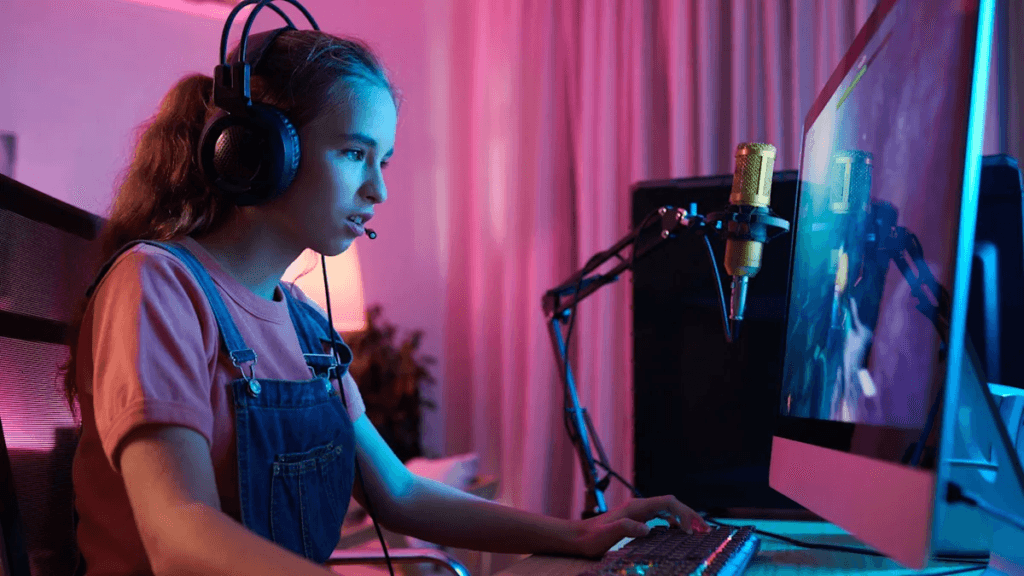
Modern games are not simple anymore. They are not just single-player games. Today’s games are huge social networks. They are complex digital worlds.
These games have team chats. They have large voice channels. They have live streaming features. Players spend hours talking to friends. They spend hours playing with strangers. The game itself is a social hub. This makes the addiction risk much higher.
The Power of the Reward Cycle
Gaming uses smart design to keep users engaged. It works on the brain’s reward system. This system is based on dopamine. Dopamine is a chemical that makes you feel good.
Games give small rewards very often. You earn a new skin. They level up your character. You win a rare item. You complete a daily challenge. Each small win causes a dopamine rush. This rush makes you want to play more. Your brain learns to expect this good feeling from the game. This cycle is the core of digital addiction.
The Pressure to Keep Up
Social media creates pressure to show off. Gaming does the same thing. Players feel pressure to stay current. They must keep up with their online friends.
If a friend reaches a new level, you must reach it too. If a new season starts, you must play immediately. Falling behind means being left out of the group chat. It means losing your social status in the game. This intense social pressure fuels constant playing. It leads to unhealthy habits.
The Problem of In-Game Spending
Gaming platforms also use spending tricks. They encourage children to buy items. They sell virtual clothes or accessories. These are called microtransactions. They are often cheap, but they add up fast.
Some games use “loot boxes.” A loot box is a virtual treasure chest. You pay money but you do not know what you get. This is like gambling. It teaches children to risk money for a chance at a prize. This creates financial risks. It adds another layer to the addiction problem.
Defining the Line is Hard
The government faced a difficult choice. Where do you draw the line? It is hard to regulate gaming like social media. A simple social media platform is easier to define.
A game is more complicated. It is entertainment. Its is software. It is a social platform. These blurred lines make laws hard to write. If lawmakers ban games, the game industry fights back. The industry is huge. It has powerful lawyers and lobbyists.
The Call for Unified Rules
Critics want the government to change its view. They say the law must be based on function. It should not be based on the name. If an app uses addictive design, it should follow the safety rules. This is true whether it is called a game or a social network.
The rules should target the bad features. They should target endless scrolling. The should target hidden gambling mechanics. They should target aggressive reward systems. These rules should apply to all apps that children use.
Protecting Mental Health
The original goal of the law was clear. The goal was to protect the mental health of Australian teens. Addiction to any screen time is harmful. Too much screen time leads to sleep problems. It causes poor focus in school. It increases anxiety and isolation.
If gaming is left unchecked, the law fails. It just moves the addiction from one screen to another. Children will simply spend more time on their favorite games. The risk to their mental well-being remains the same.
The Path Forward: Education and Control
The problem needs more than just a ban. It needs better education. Parents need information. They need to understand the risks of modern games. They need tools to manage screen time.
Schools can teach digital wellness. Children need to learn about healthy habits. They need to understand the reward loops used in apps. Self-control and understanding are the best defenses.

The Responsibility of the Industry
The gaming industry must also take responsibility. They should not use excessive tactics. This should not exploit young minds for profit. They should build better parental controls. They should design games that are fun but not addictive by design.
Right now, the industry is focused on profit. They need to shift their focus to safety. This would be a better way to ensure long-term health for their young users. Online Gaming
A New Era of Digital Risk Online Gaming
Australia’s social media ban was a good first step. But the exclusion of online gaming is a serious challenge. Critics are correct to point out the addiction risks. Gaming uses the same powerful tools to keep children engaged. Online Gaming
The debate is urgent. Lawmakers must act soon. They need to close the loophole. They must protect children’s mental health across all digital platforms. Until then, parents must be aware. They must watch the game screen as carefully as the social media screen. The fight for digital wellness has only just begun. Online Gaming
Read More Articles Click Here. Read Previous Articles Click Here.
About The Author