Ashfaq baig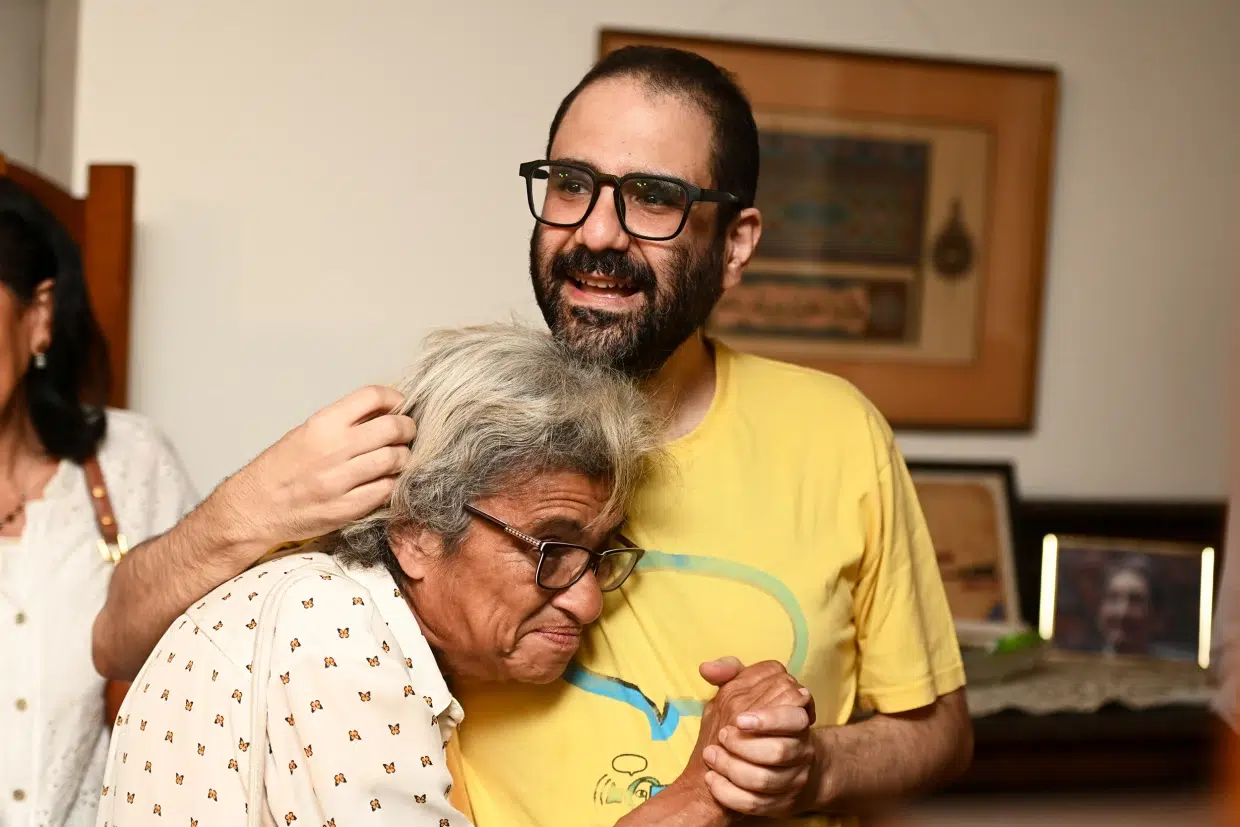
A Growing Storm in Westminster
A major political row has broken out in the United Kingdom this week. It involves a very famous human rights activist named Alaa Abd El-Fattah. He has a British-Egyptian man who has recently freed from a prison in Egypt. After spending many years behind bars, he finally arrived in the UK to with his family. UK MP
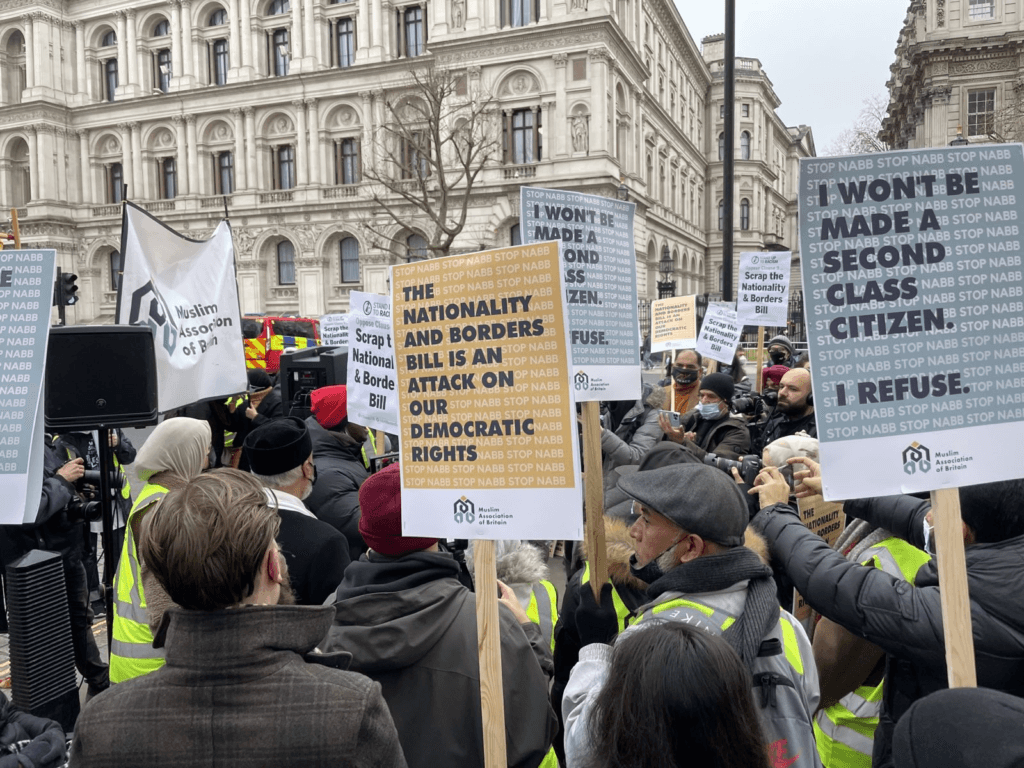
However, his homecoming has not been as peaceful as he hoped. Several Members of Parliament (MPs) have dug up tweets he wrote over ten years ago. These MPs are now demanding that the government take away his British citizenship. This story has sparked a huge debate about free speech and the rules of being a citizen.
The Tweets from a Decade Ago
The controversy centers on messages posted on X (formerly Twitter) between 2010 and 2012. During that time, the “Arab Spring” was happening, and there was a lot of anger in Egypt. Some of the tweets appeared to call for violence against the police and other groups. Critics say these words show that Abd El-Fattah has “extremist views” that do not belong in the UK.
On the other hand, the activist says these have the words of a “young man” in a time of crisis. He claims that many of the posts have taken out of context. Nevertheless, the discovery of these old posts has turned his quiet return into a national scandal.
An “Unequivocal” Apology from the Activist
On Monday, December 29, 2025, Alaa Abd El-Fattah issued a long statement to address the anger. He said he has “shaken” by the criticism and offered a full apology. He described the old tweets as “shocking and hurtful” and said he “should have known better.” He explained that he has a much younger person back then, caught up in heated online fights.
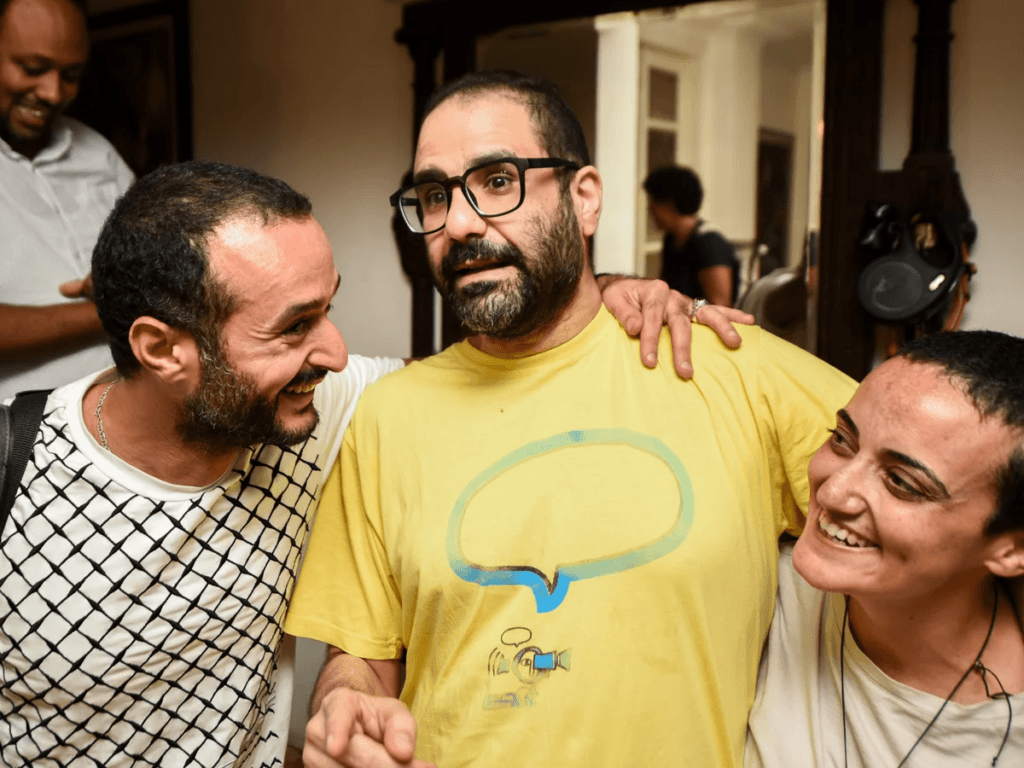
Furthermore, he asked people to judge him by his real-life work for human rights. He has spent his life fighting for gay rights and freedom of speech in Egypt. Despite his apology, many people in the UK government have still not satisfied. They believe the words he wrote are too dangerous to ignore.
Conservative Leaders Call for Deportation
The loudest voices against the activist are coming from the Conservative Party. Kemi Badenoch, the leader of the opposition, has been very firm on this issue. She stated that she does not want people who “hate Britain” living in the country. She believes that a person’s public record must be checked before they get citizenship. Additionally, Shadow Home Secretary Chris Philp called the apology “insincere.”
He argued that if he were in charge, he would revoke the citizenship and deport the activist immediately. These leaders want the current government to take fast action. They believe that keeping him in the UK is a risk to the “public good.”
Nigel Farage and the Police Report
Other political figures have also joined the call for action. Nigel Farage, the leader of Reform UK, has taken things a step further. He announced that he has reported Alaa Abd El-Fattah to the counter-terrorism police. Farage believes that the old tweets are enough to prove that the activist is a threat.
He has written a letter to the Home Secretary, Shabana Mahmood, urging her to act. To Farage, this is a clear case of someone who should not have been given a British passport. His followers are also using social media to push for the activist’s removal. This has added a lot of pressure to the already tense situation.
How He Got British Citizenship
Many people are asking how Alaa Abd El-Fattah became a British citizen in the first place. He has granted his citizenship in December 2021 while he was still in an Egyptian jail. He received it through his mother, who was born in London. Under UK law, mothers can pass their citizenship to their children, even if they are abroad.
At the time, the Conservative government helped him get his passport. They wanted to use it to help get him out of prison. Now, some of those same politicians are the ones asking to take it back. This “flip-flop” has led to a lot of confusion in the news.
The Home Office and Deprivation Rules
The UK government has the power to take away someone’s citizenship in special cases. This has called a “Deprivation of Citizenship Order.” The Home Secretary can do this if they believe it is “conducive to the public good.” This usually happens in very serious cases involving terrorism or big crimes. However, it is much harder to do if the person has no other nationality.
Since Abd El-Fattah is a dual national (Egyptian and British), it is legally possible. But the law usually looks at what a person does now, not just what they wrote years ago. The Home Office is currently “reviewing” the case but has not made a final choice yet.
Keir Starmer’s Difficult Position
Prime Minister Keir Starmer is also in a tricky spot. He had previously said he was “delighted” that the activist was back in the UK. However, it is understood that the Prime Minister did not know about the old tweets at the time. A spokesperson for the government said they find the historic posts “abhorrent.”
Now, Starmer is facing questions from all sides. If he supports the activist, he looks “soft” on extremism. If he kicks him out, he might upset human rights groups. It is a very hard political balance to maintain. The Prime Minister wants to focus on other issues, but this row will not go away.
Support from Human Rights Groups UK MP
While many MPs are angry, human rights groups are standing by the activist. They argue that he is being “targeted” by people who want to look tough on migration. These groups point out that he has already paid a “steep price” by spending ten years in prison. They believe that digging up old tweets is a form of “harassment.” UK MP
To them, Alaa Abd El-Fattah is a hero who fought for democracy. They worry that taking his citizenship would be a “scary step” for free speech in the UK. They are calling for the government to let him heal with his family in peace.
A Test for British Values UK MP
In conclusion, the case of Alaa Abd El-Fattah is a big test for the United Kingdom. It brings up hard questions about whether old social media posts should change someone’s life forever. While MPs like Kemi Badenoch and Nigel Farage want him gone, others believe in forgiveness. The activist has said sorry, but his “insincere” apology has not ended the row. UK MP
The Home Office now has to decide what is best for the country. This story reminds us all that what we write online can stay with us for a very long time. As 2025 comes to an end, the whole country is watching to see what happens next. UK MP
Read More Articles Click Here. Read Previous Articles Click Here.
About The Author