Ashfaq baig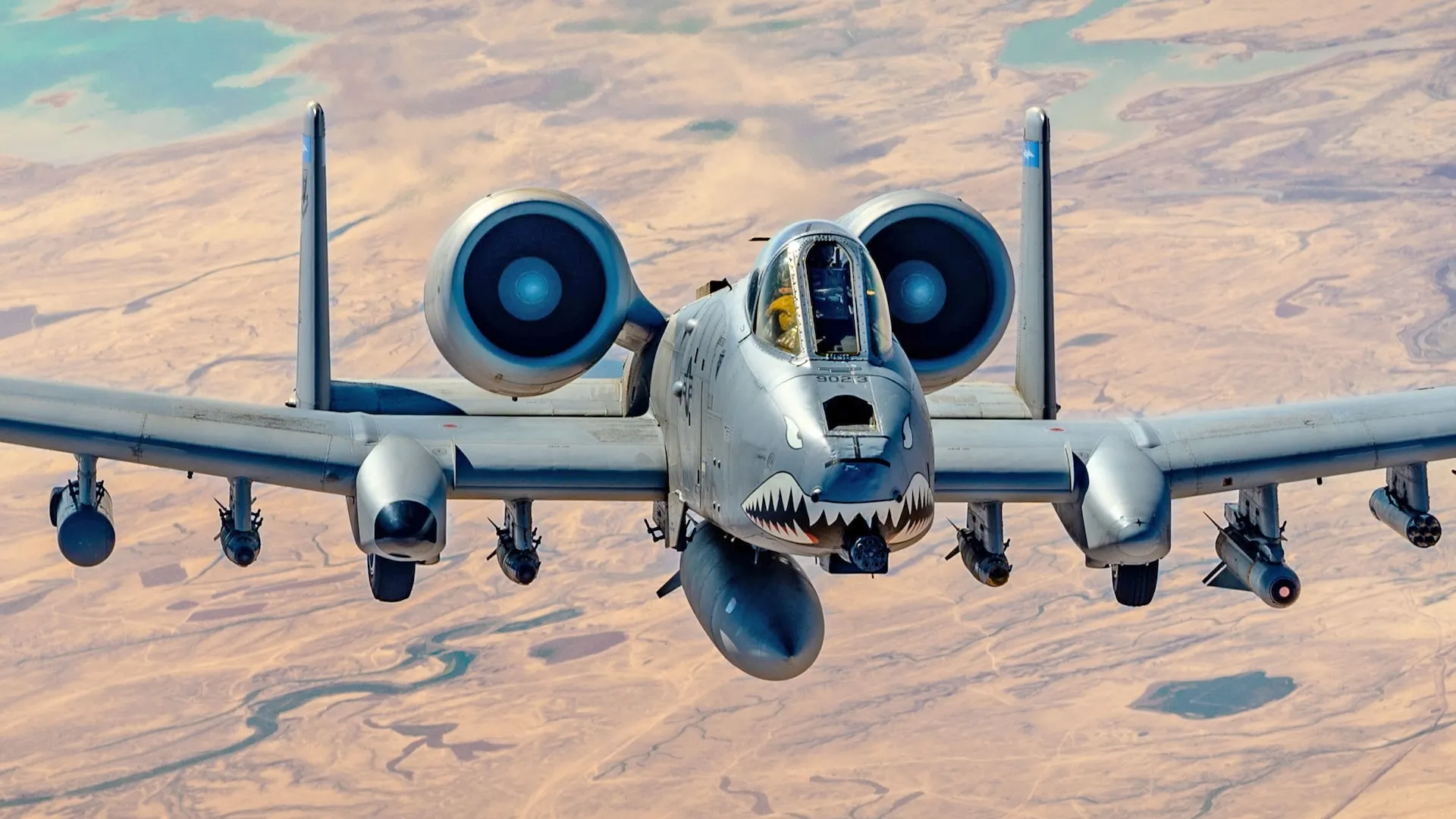
Have you seen the recent news about the US military action in the Middle East? (US Strikes) On Friday, December 19, 2025, the United States launched a massive wave of air strikes in Syria. These strikes were a direct response to a tragic event that happened just one week earlier. In that incident, two American soldiers and a civilian interpreter were killed in a surprise attack near the ancient city of Palmyra.
President Donald Trump and his team promised “very serious retaliation” for those lost lives. This blog will explain why these strikes happened, what tools were used, and what this means for the region. It is a big moment in global news that shows how the US is fighting back against terrorism.
The Reason Behind the Retaliation
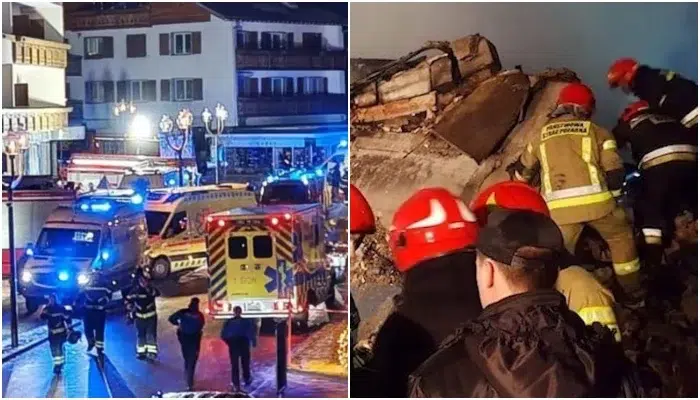
First, we should look at why this specific mission, named Operation Hawkeye Strike, was carried out. On December 13, a lone gunman attacked a group of US and Syrian security forces who were meeting in Palmyra. Sadly, Sgt. William Howard, Sgt. Edgar Torres Tovar, and an interpreter named Ayad Mansoor Sakat lost their lives. The attacker was a member of the Syrian security forces who had “extremist” beliefs.
Even though ISIS did not officially claim the attack at first, the US government blamed the group for inspiring the violence. Because of this, the US decided it had to send a strong message that attacking Americans would never be ignored.
A Massive Strike with Many Targets
When the US military decided to act, they did not hold back. US Central Command, also known as CENTCOM, reported that they hit more than 70 different targets. These targets were spread across central Syria, including the provinces of Raqqa and Deir ez-Zor.
The air strikes focused on places where ISIS fighters hide and store their weapons. By hitting so many spots at once, the military aimed to destroy the group’s ability to plan new attacks. This scale of operation shows that the US has been keeping a very close watch on where the “ISIS thugs” are hiding in the desert.
The Power Behind the Bombardment
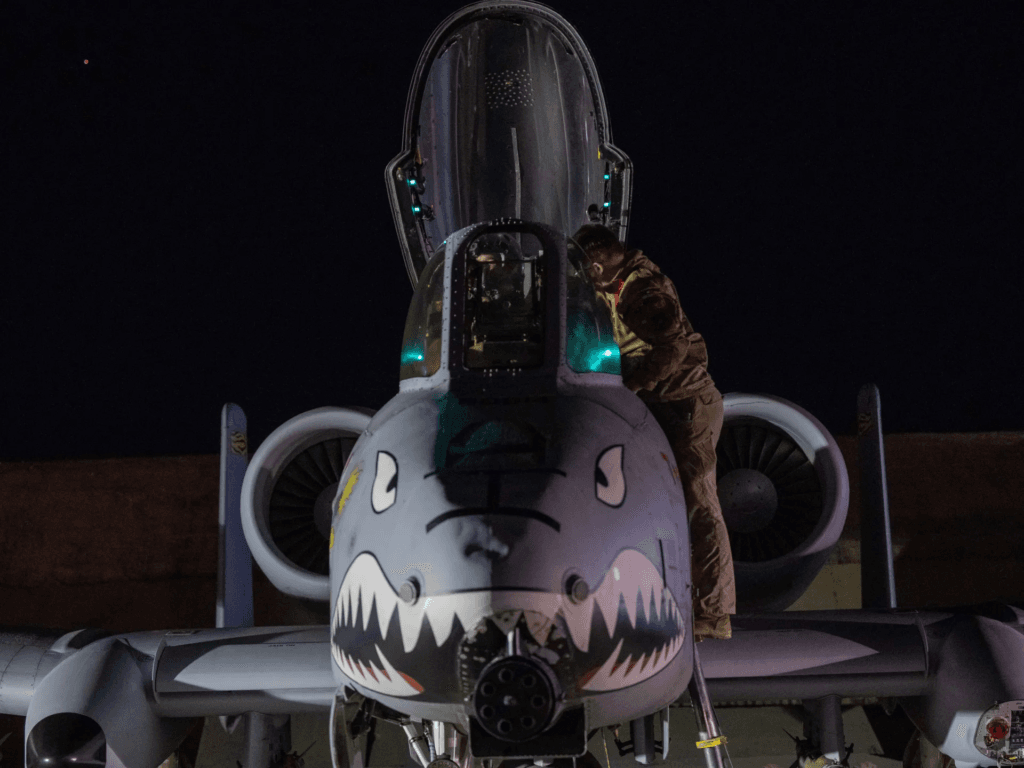
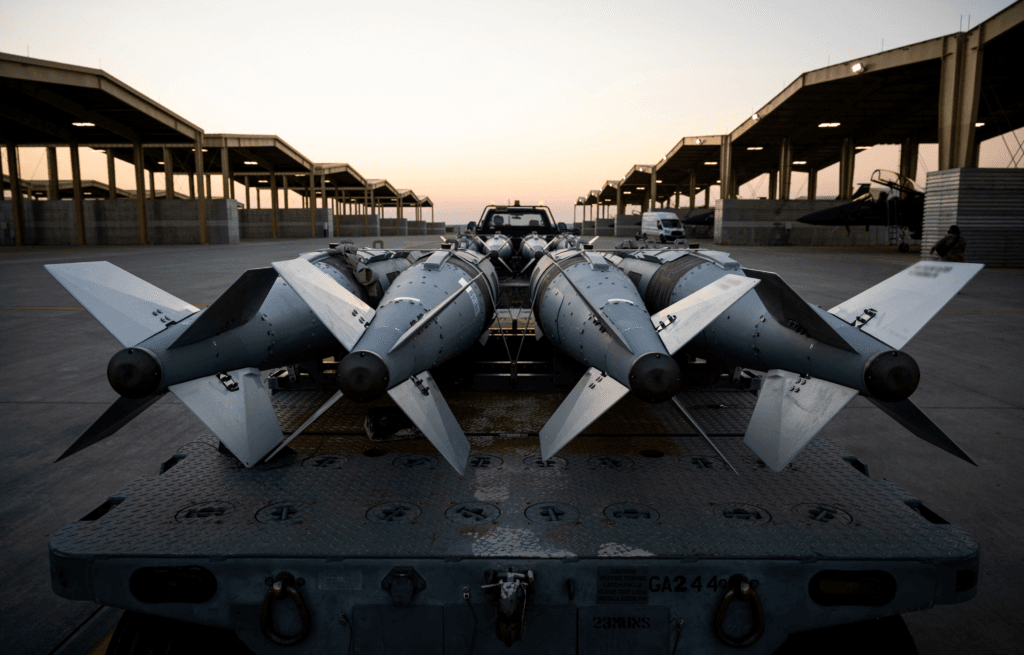
To carry out such a large mission, the US used some of its most powerful aircraft and weapons. The sky was filled with F-15 Strike Eagles and A-10 Thunderbolt II planes, which are often called “Warthogs.” These planes are famous for being very accurate and tough in battle. Along with the jets, the military sent AH-64 Apache attack helicopters and used HIMARS rocket systems from the ground.
In total, more than 100 precision bombs were dropped on the enemy sites. Using these high-tech tools ensures that the targets are destroyed while trying to keep other people in the area safe.
Working Together with Allies
One interesting part of this story is that the US was not alone in the sky. The Royal Jordanian Air Force also took part in the strikes with their own F-16 fighter jets. Jordan wanted to join the mission to make sure ISIS does not become a threat to its own borders.
Additionally, the new Syrian government, led by President Ahmed al-Sharaa, gave its full support to the operation. This shows a big change in how countries in the region are working together. By joining forces, they hope to make it impossible for terrorist groups to find a safe place to live or train.
A “Declaration of Vengeance”
The language used by US leaders during this time has been very strong. Defense Secretary Pete Hegseth called the mission a “declaration of vengeance” rather than the start of a new war. He stated that the US “hunted and killed” many enemies during the Friday strikes.
President Trump also shared a message in all capital letters, warning that anyone who hurts Americans will be hit harder than ever before. This tone is meant to scare the group and prevent them from trying another attack. It is a clear policy of “peace through strength” that the current administration wants the world to see.
The Current State of ISIS in Syria
You might be wondering if ISIS is still a big problem today. While the group lost its large “caliphate” years ago, small groups of fighters still hide in the Syrian desert. These “sleeper cells” try to regroup and carry out small, deadly attacks like the one in Palmyra.
Experts say the group carries out about 60 attacks every month in different parts of Syria. These recent US strikes were designed to stop them from getting any stronger. By destroying their headquarters and weapons, the US hopes to keep the group from ever becoming a major power again.
Impact on the Ground in Syria
Reports from the ground say the bombardment was very intense and lasted for about five hours. The Syrian Observatory for Human Rights reported that at least five ISIS members were killed, including a leader of a drone cell. While five people might sound like a small number, the destruction of the buildings and weapons is often more important.

It takes away the tools the terrorists need to fight. Syrian state television confirmed that the strikes hit rural areas where ISIS was trying to rebuild. For the people living in those areas, it is a reminder that the war against extremism is still going on.
The New Relationship with Syria
This operation also highlights a major shift in how the US and Syria get along. Just one year ago, the old dictator Bashar al-Assad was removed from power. Since then, the US has started to cooperate more with the new Syrian leadership to fight common enemies.
President Trump even mentioned that the US and Syria are now “fighting alongside” each other. This is a big deal because it allows the US to have better information on where the terrorists are hiding. This partnership is a key reason why the US felt confident enough to launch such a large-scale retaliatory strike.
What Lies Ahead for the Region?
What does the future look like after these strikes? US officials have already said that more strikes should be expected. They want to make sure the “vengeance” is complete and that the threat is fully removed. At the same time, the US is keeping about 1,000 troops in Syria to keep the peace.
The goal is to help the new Syrian government become strong enough to handle its own security. However, as long as groups like ISIS continue to target Americans, the US military will likely stay involved. The path to a peaceful Syria is still long, but these strikes are a major step in that journey.
A Strong Response to Terror
In conclusion, the US aerial bombardment in Syria was a massive and calculated response to the killing of American citizens. Through Operation Hawkeye Strike, the military used its full power to destroy over 70 ISIS targets with the help of allies like Jordan. The mission was not just about destroying buildings; it was about sending a clear message to the world.
Leaders in Washington have made it clear that they will use “overwhelming force” to protect their people. As the situation continues to develop in 2026, the world will be watching to see if these actions finally bring more stability to the region.
Read More Articles Click Here. Read Previous Articles Click Here.
About The Author